6 books like The Boy in the Striped Pyjamas
- The Boy in the Striped Pyjamas by John Boyne — The Boy in the Striped Pyjamas originated here, in Boyne's novel about Bruno, a nine-year-old whose …
- Number the Stars by Lois Lowry — The film's method of showing the Holocaust through a child's incomplete understanding appears in Low…
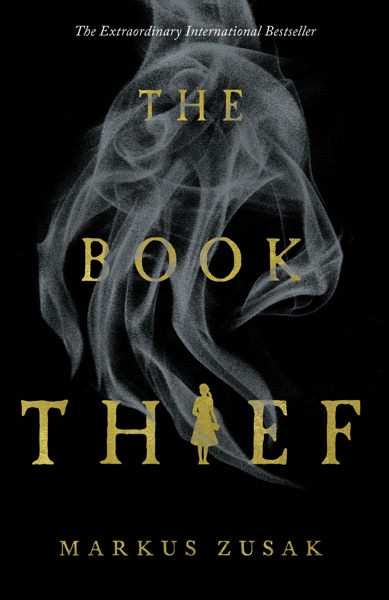
- The Book Thief by Markus Zusak — The film's technique of making the familiar suddenly strange through a child's eyes drives Zusak's n…
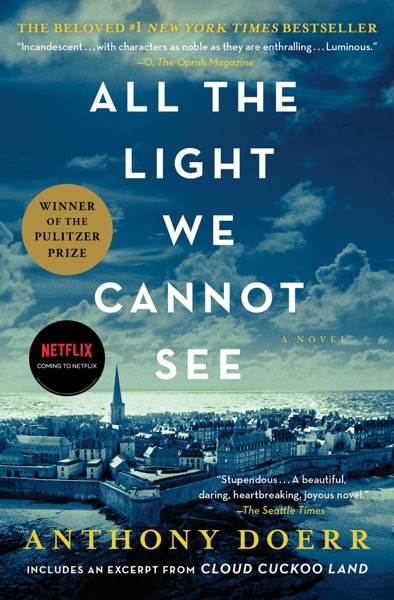
- All the Light We Cannot See by Anthony Doerr — The film's focus on children caught in machinery they cannot control appears in Doerr's novel about …
- When Hitler Stole Pink Rabbit by Judith Kerr — The film's choice to let a child misunderstand the scale of disaster around him echoes in Kerr's aut…
- The Diary of a Young Girl by Anne Frank — The film's unbearable tension between a child's ordinary concerns and the horror closing in finds it…
Picked for the feeling of The Boy in the Striped Pyjamas, not its genre. Each one is explained below. One movie isn’t much to go on: rate four more and the books are picked for you.
Why these books
The film asks you to witness the Holocaust through a child's incomprehension, a perspective that makes the horror sharper because Bruno cannot name what he sees. It moves with slow, terrible inevitability toward a conclusion you dread from the first frame. The contrast between innocence and atrocity becomes unbearable, and the moral weight rests not in speeches but in what remains unspoken. These books share that same method: they show history's cruelties through eyes too young to understand them, and trust you to carry the knowledge they cannot.

The Boy in the Striped Pyjamas
The Boy in the Striped Pyjamas originated here, in Boyne's novel about Bruno, a nine-year-old whose friendship with a boy behind a fence unfolds with the same quiet dread. The book trusts its child narrator completely, letting Bruno misunderstand words like Auschwitz and Führer while you grasp their true weight. It moves with brutal economy toward an ending that feels both inevitable and unbearable. The prose stays simple because Bruno's world is simple, and that simplicity makes the horror more devastating than any amount of explanation could.

Number the Stars
The film's method of showing the Holocaust through a child's incomplete understanding appears in Lowry's novel about ten-year-old Annemarie in Nazi-occupied Denmark. She knows her Jewish friend Ellen is in danger but cannot fully grasp why grown-ups have chosen cruelty. The book parcels out historical horror in small, manageable pieces that accumulate into terror. Annemarie's innocence becomes an act of resistance when her lack of knowledge protects her during a Nazi inspection, turning naivety into a kind of courage.
The Book Thief
The film's technique of making the familiar suddenly strange through a child's eyes drives Zusak's novel about Liesel, who steals books in Nazi Germany while Death narrates. She befriends a Jewish man hidden in her basement but understands the war as a series of personal losses rather than historical forces. The narration holds you at a slight distance, the way Bruno's limited perspective does, so you see more than the characters can. Death's voice carries the same tone of sorrowful inevitability that permeates the film.
All the Light We Cannot See
The film's focus on children caught in machinery they cannot control appears in Doerr's novel about a blind French girl and a German boy conscripted into Hitler's army. Their chapters alternate with the same slow, inexorable movement toward a meeting you know will arrive too late or too soon. The prose lingers on sensory details—touch, sound, light—the way the film dwells on Bruno's face as he tries to parse what he sees. Both trust beauty to make the tragedy sharper, not softer.

When Hitler Stole Pink Rabbit
The film's choice to let a child misunderstand the scale of disaster around him echoes in Kerr's autobiographical novel about nine-year-old Anna fleeing Berlin in 1933. She worries about the stuffed rabbit she left behind while her family becomes refugees, and the contrast between her concerns and their actual peril creates the same ache. The book refuses to explain more than Anna can grasp, so history arrives in fragments: a missed birthday, a different school, the slow realization that home no longer exists.

The Diary of a Young Girl
The film's unbearable tension between a child's ordinary concerns and the horror closing in finds its most famous expression in Frank's diary from her two years hiding in Amsterdam. She writes about crushes and arguments with her mother while you know what she does not: that the diary will outlive her. The entries move with the same daily rhythm as Bruno's routines in the film, small domestic moments that gain tragic weight from what looms beyond them. Her voice stays hopeful in a way that becomes almost unbearable.
Is The Boy in the Striped Pyjamas based on a book?
The Boy in the Striped Pyjamas is based on John Boyne’s novel The Boy in the Striped Pyjamas.
What should I read if I loved The Boy in the Striped Pyjamas?
Start with The Boy in the Striped Pyjamas, Number the Stars and The Book Thief. 6 books on this page were picked for the feeling of The Boy in the Striped Pyjamas, not its genre, with a reason for each.
Which book is most like The Boy in the Striped Pyjamas?
The Boy in the Striped Pyjamas by John Boyne. The Boy in the Striped Pyjamas originated here, in Boyne's novel about Bruno, a nine-year-old whose friendship with a boy behind a fence unfolds with the same quiet dread.
These are for everyone who loved The Boy in the Striped Pyjamas. Want books picked for you?
Someone who loved The Boy in the Striped Pyjamas and Shrek reads different books from someone who loved The Boy in the Striped Pyjamas and Toy Story. One movie isn’t much to go on. Rate four more — The Boy in the Striped Pyjamas already counts — and the books are picked for you.
Rate four more moviesOr read one book with friends — three of you rate movies, one book you’ll all like.