5 books like Call Me by Your Name
- Call Me by Your Name by André Aciman — The source novel for the film gives you Elio's interior voice in full, spiraling and raw and relentl…
- The Line of Beauty by Alan Hollinghurst — Like the film, this novel treats beauty and desire as forms of knowledge, tracked through art and ar…
- In the Distance by Hernan Diaz — The film builds longing through landscape, and this novel does the same across the nineteenth-centur…
- The Folded Clock by Heidi Julavits — Like the film, this diary-memoir works by accretion, building emotional truth through small observat…
- Dept. of Speculation by Jenny Offill — Like the film, this slender novel builds overwhelming feeling from quiet accumulation, tracking inti…
Picked for the feeling of Call Me by Your Name, not its genre. Each one is explained below. One movie isn’t much to go on: rate four more and the books are picked for you.
Why these books
The film unfolds in languid summer hours, tracking desire that builds through glances and near-misses before it ignites. It trusts you to feel the weight of what characters cannot say aloud. The northern Italian setting becomes inseparable from the longing itself: stone walls, apricot juice, classical music as emotional architecture. These books work in the same register of ache and suspension, where intimacy arrives through accumulation rather than declaration, and where beauty and brevity are bound together.

Call Me by Your Name
The source novel for the film gives you Elio's interior voice in full, spiraling and raw and relentlessly intelligent. Where the film uses glances and silences, Aciman uses sentences that double back on themselves, circling obsession the way desire actually moves in the mind. The same northern Italian summer, the same peaches and piano music, but you live inside the longing rather than watching it from the outside. The ending carries a different emotional weight on the page, more explicitly melancholic about time and memory.
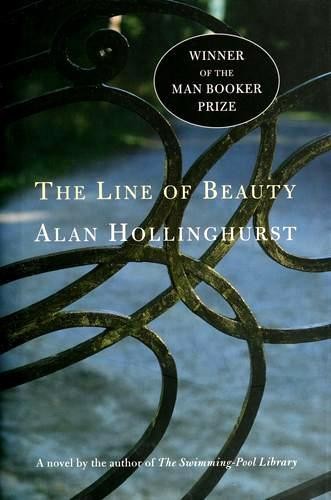
The Line of Beauty
Like the film, this novel treats beauty and desire as forms of knowledge, tracked through art and architecture and the way bodies move through elegant spaces. Set in 1980s London rather than 1980s Italy, it follows a young man whose aesthetic sensibility and sexual awakening unfold against a world of wealth and surfaces. The prose has the same sensuous attention to detail, the same patience with longing. It also shares the film's interest in how desire exists within—and is shaped by—specific historical and social textures.

In the Distance
The film builds longing through landscape, and this novel does the same across the nineteenth-century American West, though in a entirely different register. A Swedish immigrant crosses vast distances in search of his brother, and the prose moves with the same deliberate rhythm, the same trust that accumulation creates feeling. The beauty here is harsher, more desolate, but the structure mirrors the film's: desire deferred, intimacy brief and transformative, and the ache of what cannot be recovered. Both works use setting as emotional weather.

The Folded Clock
Like the film, this diary-memoir works by accretion, building emotional truth through small observations rather than grand declarations. Julavits tracks a year in entries that circle memory, desire, marriage, and the gap between what we feel and what we can articulate. The tone is more wry than Guadagnino's film, but it shares the same interest in how intimacy operates below the surface of daily life. Both works trust you to find the shape of feeling in fragments and repetitions.

Dept. of Speculation
Like the film, this slender novel builds overwhelming feeling from quiet accumulation, tracking intimacy and its unraveling in short, precise fragments. The subject is marriage rather than first love, and the tone is more rueful than rapturous, but both works trust brevity to carry emotional weight. Offill's sentences circle obsession and loss the way the film circles Elio and Oliver. Both refuse neat resolution, leaving you instead with the texture of longing and the way memory rewrites what we lived through.
Is Call Me by Your Name based on a book?
Call Me by Your Name is based on André Aciman’s novel Call Me by Your Name.
What should I read if I loved Call Me by Your Name?
Start with Call Me by Your Name, The Line of Beauty and In the Distance. 5 books on this page were picked for the feeling of Call Me by Your Name, not its genre, with a reason for each.
Which book is most like Call Me by Your Name?
Call Me by Your Name by André Aciman. The source novel for the film gives you Elio's interior voice in full, spiraling and raw and relentlessly intelligent.
These are for everyone who loved Call Me by Your Name. Want books picked for you?
Someone who loved Call Me by Your Name and Klaus reads different books from someone who loved Call Me by Your Name and Monty Python and the Holy Grail. One movie isn’t much to go on. Rate four more — Call Me by Your Name already counts — and the books are picked for you.
Rate four more moviesOr read one book with friends — three of you rate movies, one book you’ll all like.