6 books like Citizen Kane
- The Good Soldier by Ford Madox Ford — Citizen Kane pieces together a man from testimonies that contradict and obscure; The Good Soldier do…
- Absalom, Absalom! by William Faulkner — Citizen Kane reconstructs a magnate's life through interviews and documents that never cohere into c…
- The Savage Detectives by Roberto Bolaño — Citizen Kane assembles its subject from dozens of voices, no single account authoritative; The Savag…
- Remainder by Tom McCarthy — Citizen Kane ends with the revelation of Rosebud, a clue that explains nothing and everything about …
- Trust by Hernan Diaz — Citizen Kane shows you a tycoon through newsreel, memoir, and interview, each version partial and se…
- The Rings of Saturn by W. G. Sebald — Citizen Kane accumulates detail and digression around its subject until the sheer weight of material…
Picked for the feeling of Citizen Kane, not its genre. Each one is explained below. One movie isn’t much to go on: rate four more and the books are picked for you.
Why these books
Citizen Kane assembles a life from contradictory testimonies, each witness remembering a different man. You never meet Charles Foster Kane directly; you circle him through reported scenes and unreliable narrators, building a mosaic that never quite resolves. The film trusts you to hold ambiguity, to sit with the gap between public myth and private ruin. These books work the same way: they construct their subjects through fragmented perspectives, shifting accounts, and the spaces between what people say and what they mean.

The Good Soldier
Citizen Kane pieces together a man from testimonies that contradict and obscure; The Good Soldier does the same through a narrator who revises his account as he tells it. Dowell circles the same events repeatedly, each pass revealing how little he understood about the people closest to him. The structure is circular, obsessive, building a portrait of Edward Ashburnham through layers of misunderstanding and delayed recognition. You finish with a sense of tragedy that no single perspective could capture, only this accumulation of blind spots and revisions.

Absalom, Absalom!
Citizen Kane reconstructs a magnate's life through interviews and documents that never cohere into certainty; Absalom, Absalom! reconstructs Thomas Sutpen through generations of storytellers, each adding their own distortions. Faulkner gives you the same event retold by different voices, the facts shifting under interpretation and obsession. The novel trusts you to navigate unreliable narrators and incomplete records, to see how a man becomes myth when memory and rumor take over. The structure itself enacts the impossibility of knowing another person completely.

The Savage Detectives
Citizen Kane assembles its subject from dozens of voices, no single account authoritative; The Savage Detectives does the same with two poets hunted through testimonies that span continents and decades. Bolaño's middle section is pure oral history, fifty-three narrators circling Arturo Belano and Ulises Lima, each remembering them differently. The form makes absence central: you never hear from the poets themselves during their long disappearance. What emerges is not a life but the echo of one, felt through the gaps and contradictions.
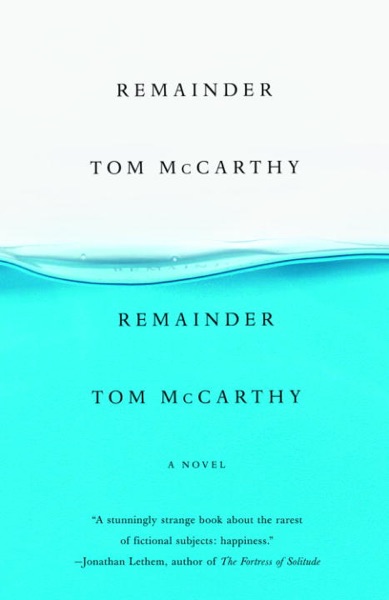
Remainder
Citizen Kane ends with the revelation of Rosebud, a clue that explains nothing and everything about the gap between Kane's public power and private emptiness; Remainder obsesses over a similar void at the center of identity. McCarthy's narrator, after an accident erases his sense of authenticity, spends a fortune reconstructing moments of lost realness through elaborate reenactments. Both works understand that the decisive detail, the thing that might explain a life, can be simultaneously trivial and overwhelming. The searching matters more than what is found.

Trust
Citizen Kane shows you a tycoon through newsreel, memoir, and interview, each version partial and self-serving; Trust gives you four accounts of a financier and his wife, each rewriting the others. Diaz structures the novel as competing narratives: a roman à clef, an unfinished autobiography, a ghostwriter's memoir, a diary. You assemble the truth from what each voice omits or distorts, aware that power shapes which stories survive. The method exposes how wealth controls not just the present but the historical record.

The Rings of Saturn
Citizen Kane accumulates detail and digression around its subject until the sheer weight of material becomes the point, not coherent biography; The Rings of Saturn works through the same accretive method. Sebald walks through Suffolk and circles outward into history, natural history, and ruin, one topic triggering another in associative chains. The book is meditative and oblique, trusting you to find connections the narrator leaves implicit. Both works understand that some subjects can only be approached indirectly, through the debris field they leave behind.
Is Citizen Kane based on a book?
Citizen Kane isn’t based on a book — it’s an original screenplay by Herman J. Mankiewicz and Orson Welles.
What should I read if I loved Citizen Kane?
Start with The Good Soldier, Absalom, Absalom! and The Savage Detectives. 6 books on this page were picked for the feeling of Citizen Kane, not its genre, with a reason for each.
Which book is most like Citizen Kane?
The Good Soldier by Ford Madox Ford. Citizen Kane pieces together a man from testimonies that contradict and obscure; The Good Soldier does the same through a narrator who revises his account as he tells it.
These are for everyone who loved Citizen Kane. Want books picked for you?
Someone who loved Citizen Kane and Castle in the Sky reads different books from someone who loved Citizen Kane and The Empire Strikes Back. One movie isn’t much to go on. Rate four more — Citizen Kane already counts — and the books are picked for you.
Rate four more moviesOr read one book with friends — three of you rate movies, one book you’ll all like.