6 books like Green Book
- The Nickel Boys by Colson Whitehead — Green Book uses a road trip to expose the mechanics of segregation, and The Nickel Boys does the sam…
- Driving Miss Daisy by Alfred Uhry — Green Book turns a driver and his employer into unlikely allies across racial divides, and Driving M…
- The Brief Wondrous Life of Oscar Wao by Junot Díaz — Green Book mixes cultural specificity with comic timing, finding humor in code-switching and the fri…
- Kindred by Octavia E. Butler — Green Book drops a Black musician into hostile white spaces in 1962 and watches him navigate with co…
- The Warmth of Other Suns by Isabel Wilkerson — Green Book follows one road trip through the segregated South, and The Warmth of Other Suns document…
- The Intuitionist by Colson Whitehead — Green Book uses genre conventions to carry its themes, wrapping a message movie in the rhythms of a …
Picked for the feeling of Green Book, not its genre. Each one is explained below. One movie isn’t much to go on: rate four more and the books are picked for you.
Why these books
Green Book gives you a road movie that smooths the edges off institutional racism, packaging tension and dignity into something warm and digestible. It delivers moral progress through friendship, letting humor soften what history made brutal. The film moves quickly, never dwelling too long on discomfort, always finding the next moment of connection. These books take similar journeys: they confront injustice through relationship, balance gravity with levity, and trust that understanding between individuals can model larger change.

The Nickel Boys
Green Book uses a road trip to expose the mechanics of segregation, and The Nickel Boys does the same with a reform school in Jim Crow Florida. Whitehead structures the novel around friendship under duress, showing how two boys navigate a system designed to break them. The prose stays restrained even when depicting cruelty, trusting the reader to feel the weight without melodrama. It moves between past and present, building toward a revelation that reframes everything you thought you understood about survival and witness.
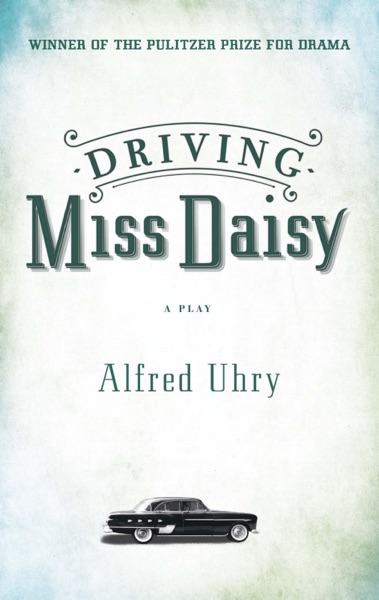
Driving Miss Daisy
Green Book turns a driver and his employer into unlikely allies across racial divides, and Driving Miss Daisy charts the same territory in the American South over two decades. Uhry's play unfolds through small, accumulating moments: arguments about directions, shared meals, quiet acts of loyalty. The humor comes from personality clash, not caricature, and the relationship shifts without ever announcing its own significance. It treats dignity and prejudice as forces that coexist in ordinary people, not abstractions that cancel each other out.

The Brief Wondrous Life of Oscar Wao
Green Book mixes cultural specificity with comic timing, finding humor in code-switching and the friction between worlds. The Brief Wondrous Life of Oscar Wao does this across generations, tracking a Dominican family through dictatorship, diaspora, and New Jersey with footnotes on Trujillo and riffs on nerd culture. Díaz shifts registers constantly, from slangy intimacy to historical tragedy, but never loses the thread of affection for his characters. The novel insists that survival and joy are not opposites, that you can carry grief and still crack jokes.

Kindred
Green Book drops a Black musician into hostile white spaces in 1962 and watches him navigate with composure and strategy. Kindred does something structurally similar: a Black woman in 1976 California keeps getting yanked back to a Maryland plantation in the 1800s, forced to protect her white ancestor to ensure her own existence. Butler writes survival as a series of impossible calculations, where every choice has a moral cost. The novel refuses easy comfort, but it also refuses despair, showing how people endure systems designed to destroy them.

The Warmth of Other Suns
Green Book follows one road trip through the segregated South, and The Warmth of Other Suns documents millions of them during the Great Migration. Wilkerson structures the history around three people who left the South for the North and West between 1915 and 1970, using their stories to illuminate the entire movement. The prose is clear and paced like narrative nonfiction that reads like a novel, with scenes and dialogue drawn from interviews. It shows how geography and policy shaped individual lives, how people sought freedom and found new forms of constraint.

The Intuitionist
Green Book uses genre conventions to carry its themes, wrapping a message movie in the rhythms of a buddy road comedy. The Intuitionist does the same with detective fiction, following a Black woman elevator inspector in a fictionalized 1950s city as she investigates a catastrophic fall. Whitehead builds an allegory about racial integration and competing philosophies of progress, but the novel works first as a mystery with real stakes and forward momentum. The tone stays dry and slightly surreal, letting the absurdity of the system speak for itself without underlining every point.
Is Green Book based on a book?
Green Book isn’t based on a book — it’s an original screenplay by Nick Vallelonga, Brian Hayes Currie, and Peter Farrelly, inspired by a real 1962 tour.
What should I read if I loved Green Book?
Start with The Nickel Boys, Driving Miss Daisy and The Brief Wondrous Life of Oscar Wao. 6 books on this page were picked for the feeling of Green Book, not its genre, with a reason for each.
Which book is most like Green Book?
The Nickel Boys by Colson Whitehead. Green Book uses a road trip to expose the mechanics of segregation, and The Nickel Boys does the same with a reform school in Jim Crow Florida.
These are for everyone who loved Green Book. Want books picked for you?
Someone who loved Green Book and Dune: Part Two reads different books from someone who loved Green Book and Howl's Moving Castle. One movie isn’t much to go on. Rate four more — Green Book already counts — and the books are picked for you.
Rate four more moviesOr read one book with friends — three of you rate movies, one book you’ll all like.