6 books like Hachi: A Dog's Tale
- The Art of Racing in the Rain by Garth Stein — Hachi understands that the dog's perspective is never cute, only clear.
- Goodbye, Vitamin by Rachel Khong — Hachi's restraint in the face of disappearance shapes every frame.
- The Friend by Sigrid Nunez — Hachi builds its story around the space left by absence.
- Stoner by John Williams — Hachi earns its emotional weight through accumulation rather than spectacle.
- A Man Called Ove by Fredrik Backman — Hachi watches one man's routine become the architecture of community memory.
- The Remains of the Day by Kazuo Ishiguro — Hachi trusts that service is its own language, requiring no translation or justification.
Picked for the feeling of Hachi: A Dog's Tale, not its genre. Each one is explained below. One movie isn’t much to go on: rate four more and the books are picked for you.
Why these books
This film operates through patient repetition and the architecture of devotion. It refuses melodrama, building instead through small gestures and the slow accumulation of seasons. The emotional weight comes not from manipulation but from watching loyalty become routine, then ritual, then legend. You feel grief through duration rather than crescendo. These books understand that the most devastating stories are told quietly, that attachment requires no justification, and that waiting can be its own form of love.

The Art of Racing in the Rain
Hachi understands that the dog's perspective is never cute, only clear. Stein writes from inside Enzo, a terrier who narrates his owner's life with philosophical patience and unsentimental attachment. The novel moves through years of companionship, illness, and loss with the same steady devotion the film gives to its train station vigil. Both works trust that loyalty needs no explanation, only witness. The emotional architecture is built through routine rather than crisis.

Goodbye, Vitamin
Hachi's restraint in the face of disappearance shapes every frame. Khong writes a daughter's return home as her father's memory fails, tracking the small erosions of identity through daily rituals and quiet comedy. The novel moves at the same deliberate pace as the film, finding its emotional power not in dramatic revelations but in the repetition of care. Both works understand that grief and love are often indistinguishable, expressed through showing up.
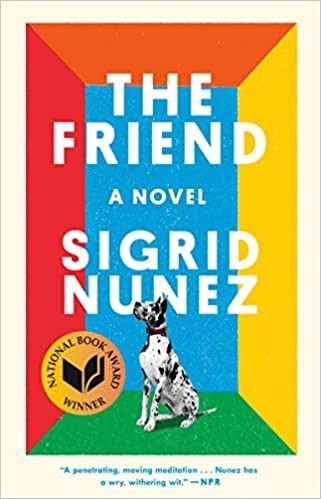
The Friend
Hachi builds its story around the space left by absence. Nunez writes a woman who inherits her dead mentor's Great Dane, and the novel becomes a meditation on mourning through unexpected companionship. The prose is lean and unsentimental, tracing how care for another creature reshapes grief into routine. Both works refuse to explain the bond they depict, trusting that devotion is self-evident and that the daily act of tending can be a form of remembering.

Stoner
Hachi earns its emotional weight through accumulation rather than spectacle. Williams chronicles an unremarkable academic's life with the same patient attention the film gives to seasons passing at a train platform. The novel moves through decades of quiet disappointment and small dignities, finding its power in repetition and endurance. Both works understand that an ordinary life, observed with care, becomes extraordinary. The prose is plain and the structure is unadorned, which makes the final reckoning devastating.

A Man Called Ove
Hachi watches one man's routine become the architecture of community memory. Backman writes a widower whose rigid daily rituals mask oceanic grief, and the novel slowly reveals how loss can calcify into personality. Both works use repetition to build emotional infrastructure, showing how neighbors witness and eventually honor what they cannot fully understand. The comedy in both is gentle, never undercutting the seriousness of attachment. Devotion here is stubbornness given a better name.

The Remains of the Day
Hachi trusts that service is its own language, requiring no translation or justification. Ishiguro writes a butler reflecting on decades of professional devotion, and the novel moves with the same formal restraint as the film. Both works understand duty as a form of love, perhaps the only form available to certain temperaments. The emotional power accumulates through what is not said, through gestures repeated until they become identity. Waiting, in both, is an active verb.
Is Hachi: A Dog's Tale based on a book?
Hachi: A Dog's Tale isn’t based on a book — it’s inspired by the true story of Hachikō, a Japanese Akita who waited at a train station for his deceased owner.
What should I read if I loved Hachi: A Dog's Tale?
Start with The Art of Racing in the Rain, Goodbye, Vitamin and The Friend. 6 books on this page were picked for the feeling of Hachi: A Dog's Tale, not its genre, with a reason for each.
Which book is most like Hachi: A Dog's Tale?
The Art of Racing in the Rain by Garth Stein. Hachi understands that the dog's perspective is never cute, only clear.
These are for everyone who loved Hachi: A Dog's Tale. Want books picked for you?
Someone who loved Hachi: A Dog's Tale and A Clockwork Orange reads different books from someone who loved Hachi: A Dog's Tale and Castle in the Sky. One movie isn’t much to go on. Rate four more — Hachi: A Dog's Tale already counts — and the books are picked for you.
Rate four more moviesOr read one book with friends — three of you rate movies, one book you’ll all like.