5 books like Klaus
- A Christmas Carol by Charles Dickens — Klaus builds its redemption arc with the same structural patience Dickens uses to transform Scrooge.
- The Life and Adventures of Santa Claus by L. Frank Baum — Klaus imagines how tradition begins through human frailty and accident; Baum does the same, giving S…
- The Phantom Tollbooth by Norton Juster — Klaus sends a cynic into a frozen town where nothing works and expects him to care anyway; Juster se…
- Skellig by David Almond — Klaus finds something inexplicable in a shed and lets it change everything without explaining it awa…
- The Girl Who Circumnavigated Fairyland in a Ship of Her Own Making by Catherynne M. Valente — Klaus builds a mythology from scratch, letting its legend accumulate through repetition and conseque…
Picked for the feeling of Klaus, not its genre. Each one is explained below. One movie isn’t much to go on: rate four more and the books are picked for you.
Why these books
Klaus rewrites a familiar origin story with emotional restraint and genuine stakes. It trades irony for sincerity, letting a postal worker and a reclusive toymaker stumble into something larger than themselves. The film earns its sentiment through craft: the animation has weight, the character arcs feel inevitable rather than mandated, and the mythology building never winks at the camera. These books trust their readers the same way, building wonder through discipline rather than spectacle.

A Christmas Carol
Klaus builds its redemption arc with the same structural patience Dickens uses to transform Scrooge. Both stories understand that meaningful change requires witnessing consequences, not just receiving lectures. The ghost-story machinery in Dickens and the legend-building in Klaus serve the same purpose: they make moral transformation feel like cosmic inevitability. Each deploys a cold setting and colder hearts, then finds warmth without cheapening the journey. The sentiment arrives earned, not assumed.
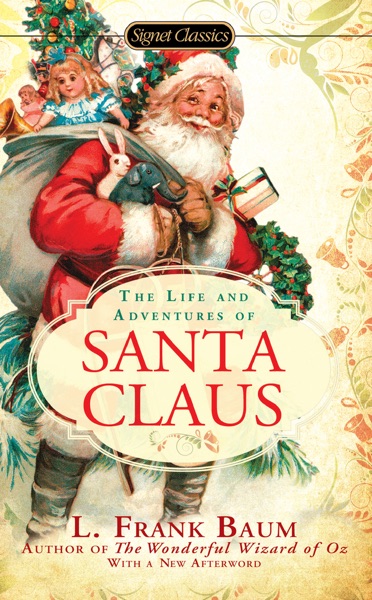
The Life and Adventures of Santa Claus
Klaus imagines how tradition begins through human frailty and accident; Baum does the same, giving Santa a full biography from orphaned infancy to immortal gift-giver. Both stories ground magical mythology in practical details: how toys get made, why generosity spreads, what obstacles resist kindness. Baum writes with the same tonal balance Klaus maintains, neither condescending to children nor pandering to nostalgia. The fantasy elements feel like natural extensions of character rather than imposed whimsy.

The Phantom Tollbooth
Klaus sends a cynic into a frozen town where nothing works and expects him to care anyway; Juster sends a bored boy into a kingdom where words and numbers have failed and asks the same. Both narratives use geography as character: the divided village in Klaus and the fractured kingdoms in Juster reflect the protagonists' internal states. The whimsy never undercuts the stakes. Each story believes that small, consistent actions can repair what feels permanently broken, and both make that belief contagious through craft.

Skellig
Klaus finds something inexplicable in a shed and lets it change everything without explaining it away; Almond does the same when his young narrator discovers a creature that might be angel, might be man, might be dying. Both stories anchor wonder in the mundane: rotting wood, family crisis, the logistics of care. The magic stays quiet, never announcing itself. Each narrative trusts that transformation can happen through proximity and attention rather than grand gestures, and both honor the strangeness that resists easy categories.
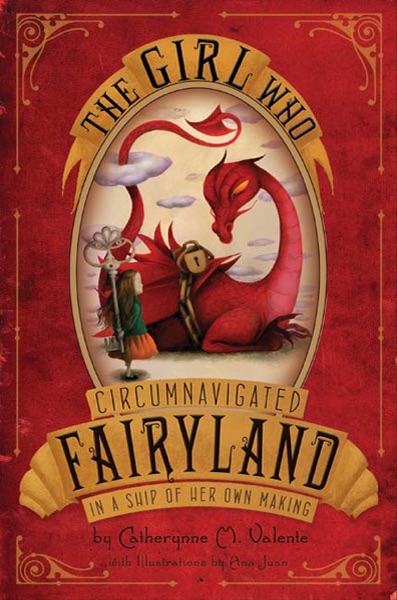
The Girl Who Circumnavigated Fairyland in a Ship of Her Own Making
Klaus builds a mythology from scratch, letting its legend accumulate through repetition and consequence; Valente does the same, creating a Fairyland that feels both invented and inevitable. Both stories understand that world-building is an act of generosity: the more detail you provide, the more the audience can inhabit it. The tone stays playful without becoming precious, and the emotional beats land because the fantastical elements follow their own consistent logic. Each rewards attention without demanding it.
Is Klaus based on a book?
Klaus isn’t based on a book — it’s an original screenplay by Sergio Pablos and Jim Mahoney.
What should I read if I loved Klaus?
Start with A Christmas Carol, The Life and Adventures of Santa Claus and The Phantom Tollbooth. 5 books on this page were picked for the feeling of Klaus, not its genre, with a reason for each.
Which book is most like Klaus?
A Christmas Carol by Charles Dickens. Klaus builds its redemption arc with the same structural patience Dickens uses to transform Scrooge.
These are for everyone who loved Klaus. Want books picked for you?
Someone who loved Klaus and Heat reads different books from someone who loved Klaus and Into the Wild. One movie isn’t much to go on. Rate four more — Klaus already counts — and the books are picked for you.
Rate four more moviesOr read one book with friends — three of you rate movies, one book you’ll all like.