6 books like Monsters, Inc.
- The Wild Robot by Peter Brown — Monsters, Inc.
- Howl's Moving Castle by Diana Wynne Jones — Monsters, Inc.
- The Imaginary by A.F. Harrold — Monsters, Inc.
- A Wizard's Guide to Defensive Baking by T. Kingfisher — Monsters, Inc.
- The Girl Who Circumnavigated Fairyland in a Ship of Her Own Making by Catherynne M. Valente — Monsters, Inc.
- The Last of the Really Great Whangdoodles by Julie Andrews Edwards — Monsters, Inc.
Picked for the feeling of Monsters, Inc., not its genre. Each one is explained below. One movie isn’t much to go on: rate four more and the books are picked for you.
Why these books
Monsters, Inc. builds a functioning corporate world with blue-collar rhythms and then uses a child's innocence to dismantle it. The film trusts its premise completely, playing corporate politics and workplace comedy straight while a surrogate-father bond grows in the margins. It finds enormous feeling in small domestic gestures—a bedtime routine, a laugh instead of a scream—and refuses to explain why gentleness matters. These books construct intricate systems and then let emotional truth crack them open.

The Wild Robot
Monsters, Inc. watches a creature built for one function discover tenderness through an unlikely bond. Brown sends a robot programmed for efficiency onto a wilderness island where she must parent an orphaned gosling. The book builds its world with the same methodical care—every adaptation Roz makes feels earned, every social rule among the animals operates with internal logic—and finds the same quiet devastation in a being who learns to love outside her design. The ending delivers the same ache: a goodbye that redefines what family means.

Howl's Moving Castle
Monsters, Inc. builds a magical infrastructure and plays it for domestic comedy, letting grand fantasy serve small emotional stakes. Jones constructs a wizard's walking castle as a workplace with maintenance problems and petty arguments, where saving the world matters less than whether Sophie can break Howl's vanity curse. The book shares the film's faith in household rhythms—cleaning, cooking, tending a fire demon—as the real site of transformation. Both use their wild premises to examine how people become responsible for each other without noticing.

The Imaginary
Monsters, Inc. asks what happens to creatures whose purpose is defined by children, then lets a child redefine everything. Harrold writes about an imaginary friend whose existence depends on a girl's belief, then strands him when she disappears. The book shares the film's matter-of-fact approach to its premise—imaginary friends have a whole social world, complete with predators and rules—and the same willingness to let that world feel dangerous. Both find their moral center in a non-human character choosing to protect a child at existential cost.

A Wizard's Guide to Defensive Baking
Monsters, Inc. finds heroism in blue-collar competence, in workers who master their odd trade and then repurpose those skills when the system breaks. Kingfisher gives a teenage baker control over dough and asks her to defend a city when the official heroes vanish. The book shares the film's interest in craft—Mona's magic works through kneading and timing, not grand spells—and its suspicion of institutions that exploit the vulnerable. Both locate courage in people doing their small, specific job when it suddenly matters enormously.
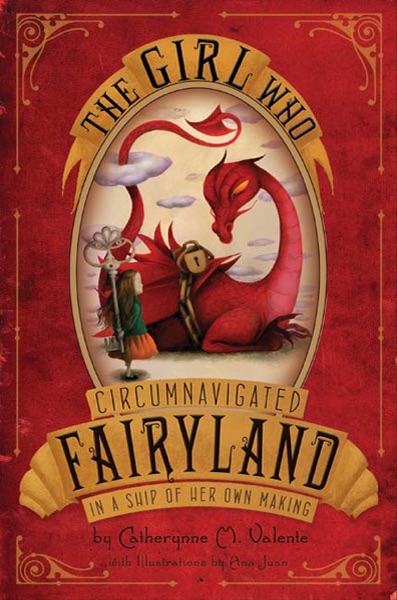
The Girl Who Circumnavigated Fairyland in a Ship of Her Own Making
Monsters, Inc. treats its invented world as a labor economy with unions and productivity quotas, then lets a child's presence expose the cruelty baked into efficiency. Valente sends a girl into a Fairyland run by bureaucratic absurdity, where rules matter more than sense and every official system extracts a cost. The book shares the film's layered tone—playful language over real stakes, whimsy that doesn't soften the edges—and the same interest in how power structures depend on not questioning what you're told. Both protagonists win by refusing the premise.

The Last of the Really Great Whangdoodles
Monsters, Inc. imagines a hidden dimension where the fantastical is ordinary, where monsters clock in and worry about quotas. Edwards builds Whangdoodleland as a place where magical creatures live mundane lives under threat from the outside world, accessible only to children with the right kind of seeing. The book shares the film's interest in making the impossible feel lived-in, complete with social hierarchies and daily routines, and the same conviction that imagination is a moral capacity. Both protect their secret worlds by letting children change the rules.
Is Monsters, Inc. based on a book?
Monsters, Inc. isn’t based on a book — it’s an original screenplay by Pete Docter, Jill Culton, Jeff Pidgeon, and Ralph Eggleston.
What should I read if I loved Monsters, Inc.?
Start with The Wild Robot, Howl's Moving Castle and The Imaginary. 6 books on this page were picked for the feeling of Monsters, Inc., not its genre, with a reason for each.
Which book is most like Monsters, Inc.?
The Wild Robot by Peter Brown. Monsters, Inc.
These are for everyone who loved Monsters, Inc.. Want books picked for you?
Someone who loved Monsters, Inc. and Full Metal Jacket reads different books from someone who loved Monsters, Inc. and Guardians of the Galaxy Vol. 3. One movie isn’t much to go on. Rate four more — Monsters, Inc. already counts — and the books are picked for you.
Rate four more moviesOr read one book with friends — three of you rate movies, one book you’ll all like.