6 books like Mr. Nobody
- Life After Life by Kate Atkinson — Mr.
- The Midnight Library by Matt Haig — Mr.
- Cloud Atlas by David Mitchell — Mr.
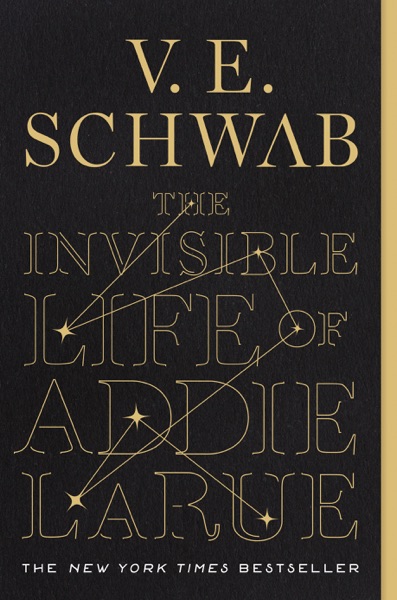
- The Invisible Life of Addie LaRue by V. E. Schwab — Mr.
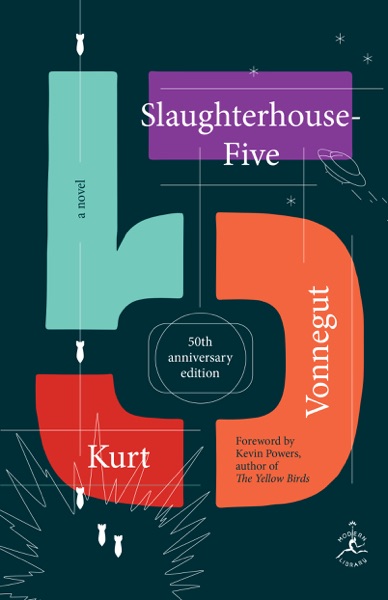
- Slaughterhouse-Five by Kurt Vonnegut — Mr.
- The First Fifteen Lives of Harry August by Claire North — Mr.
Picked for the feeling of Mr. Nobody, not its genre. Each one is explained below. One movie isn’t much to go on: rate four more and the books are picked for you.
Why these books
Mr. Nobody asks you to hold multiple timelines in your mind at once, treating each possible life with equal tenderness and equal weight. The film refuses linear answers about fate and choice, building instead a mosaic of what-ifs that accumulate into something like grief. It runs long and philosophical, asking for patience as it circles back to the same moments from different angles. These books share that structure: they fracture time, multiply outcomes, and trust you to find meaning in the pattern rather than the destination.

Life After Life
Mr. Nobody's central gambit—living every possible version of a life—becomes Atkinson's formal structure as Ursula Todd dies and is reborn into slight variations of the same English childhood. The novel returns again and again to the same snowy night in 1910, each iteration revealing how minor choices ripple into completely different futures. Atkinson handles the repetition with surprising warmth, never making the resets feel like tricks. The accumulation of lives builds to something tender rather than exhausting, and the question shifts from which life is real to whether the multiplicity itself is the point.

The Midnight Library
Mr. Nobody's premise of sampling different lives finds its most direct cousin here, as Nora Seed moves through a library where each book is a life she could have led. Haig keeps the metaphysical furniture simple—no nested timelines or philosophical monologues—so the focus stays on the emotional texture of regret and possibility. The tone is gentler than Van Dormael's film, less interested in the architecture of choice than in the relief of second chances. It moves quickly through alternate lives without dwelling, which makes it feel like comfort rather than puzzle.

Cloud Atlas
Mr. Nobody's nested structure and sweep across centuries find their match in Mitchell's six interlocking narratives that span from the 1800s to a post-apocalyptic future. The novel shares the film's willingness to ask you to work, cutting between stories that only gradually reveal their connections. Mitchell writes each section in a different genre and style, so the ambition is structural as much as thematic. The payoff is the same kind of mosaic logic: individual stories matter less than the pattern they make together, and meaning arrives through recursion rather than resolution.
The Invisible Life of Addie LaRue
Mr. Nobody's meditation on memory and erasure—Nemo's life story told from a future where he's forgotten—runs parallel to Addie's curse of being forgotten by everyone she meets. Schwab stretches a single life across three centuries, but the structure is closer to the film's than it first appears: each era is a different version of the same longing, the same question about whether a life can mean something if no one remembers it. The prose is more polished than Van Dormael's sprawl, but it shares the same fascination with time as both prison and canvas.
Slaughterhouse-Five
Mr. Nobody's time-hopping protagonist finds his literary ancestor in Billy Pilgrim, who becomes unstuck in time and experiences his life in random order. Vonnegut's novel shares the film's refusal to treat chronology as sacred, jumping between Billy's childhood, his time as a prisoner of war, and his abduction by aliens without transition or apology. The tone is flatter, more resigned than Van Dormael's lushness, but the shape is the same: a life told as fragments that you assemble into meaning. The slimness of the book makes the technique feel effortless rather than labored.

The First Fifteen Lives of Harry August
Mr. Nobody's exploration of living many lives in sequence becomes North's premise: Harry August is born, lives, dies, and is reborn into the same life with all his memories intact. The novel uses the structure to build a thriller about messages passed between iterations and a mystery that spans centuries. North keeps the philosophical questions in the background, focusing instead on the practical problem of what you would do with infinite do-overs. The pacing is tighter than the film's, but it shares the same interest in whether repetition leads to wisdom or just exhaustion.
Is Mr. Nobody based on a book?
Mr. Nobody isn’t based on a book — it’s an original screenplay by Jaco Van Dormael.
What should I read if I loved Mr. Nobody?
Start with Life After Life, The Midnight Library and Cloud Atlas. 6 books on this page were picked for the feeling of Mr. Nobody, not its genre, with a reason for each.
Which book is most like Mr. Nobody?
Life After Life by Kate Atkinson. Mr.
These are for everyone who loved Mr. Nobody. Want books picked for you?
Someone who loved Mr. Nobody and A Fistful of Dollars reads different books from someone who loved Mr. Nobody and Fantastic Mr. Fox. One movie isn’t much to go on. Rate four more — Mr. Nobody already counts — and the books are picked for you.
Rate four more moviesOr read one book with friends — three of you rate movies, one book you’ll all like.