6 books like Princess Mononoke
- The Scar by China Miéville — Princess Mononoke's moral ambiguity runs through every page of this baroque fantasy about a floating…
- The Windup Girl by Paolo Bacigalupi — Princess Mononoke's ecological collapse and its scramble for dwindling resources drive this biopunk …
- The Goblin Emperor by Katherine Addison — Princess Mononoke places its protagonist between impossible demands, and so does this fantasy of pol…
- The God of Small Things by Arundhati Roy — Princess Mononoke's grief for a world being destroyed by human hands runs through Roy's novel about …
- The Word for World Is Forest by Ursula K. Le Guin — Princess Mononoke's colonial extractivism—the ironworks devouring the forest—is exactly what Le Guin…
- Deerskin by Robin McKinley — Princess Mononoke treats the natural world as a character with agency and wrath, and McKinley does t…
Picked for the feeling of Princess Mononoke, not its genre. Each one is explained below. One movie isn’t much to go on: rate four more and the books are picked for you.
Why these books
Princess Mononoke refuses moral simplicity. It places you between warring forces where everyone has a valid claim and no one is purely good. The film moves with patient grandeur, letting scenes breathe, trusting you to sit with ambiguity and ecological grief. It treats violence as consequence, not spectacle, and builds toward a resolution that feels earned rather than triumphant. These books share that refusal to take sides, that willingness to complicate every character's righteousness.

The Scar
Princess Mononoke's moral ambiguity runs through every page of this baroque fantasy about a floating pirate city and competing visions of survival. Miéville gives you factions with irreconcilable needs, leaders whose grand plans carry devastating costs, and a protagonist who refuses to be anyone's hero. The world is vast and strange and damaged, and the book trusts you to navigate it without a compass. The scale is epic, the politics dense, the resolution uncertain.

The Windup Girl
Princess Mononoke's ecological collapse and its scramble for dwindling resources drive this biopunk thriller set in a future Bangkok. Bacigalupi builds a world where every character is trying to survive a dying planet, where corporate greed and desperate innovation tangle with genetic manipulation and food scarcity. No one is innocent; everyone's choices ripple outward in violence. The book moves with the film's patient dread, its sense that catastrophe is already here and all we can do is navigate the rubble.

The Goblin Emperor
Princess Mononoke places its protagonist between impossible demands, and so does this fantasy of political navigation and moral compromise. Maia becomes emperor unprepared, surrounded by factions with competing interests, forced to make decisions that will hurt someone no matter what. Addison writes politics as the film writes war: everyone believes they are right, kindness is not enough, and power always costs something. The tone is gentler than Miyazaki's forest battles, but the moral weight is identical.

The God of Small Things
Princess Mononoke's grief for a world being destroyed by human hands runs through Roy's novel about a family and a place crushed by caste, colonialism, and history. She writes ecological and social violence as inseparable, the way Miyazaki does. The book is lush and patient, lingering on beauty even as it documents loss. Its structure fractures time, circling the central tragedy the way the film circles the ironworks and the forest, showing you every side before the inevitable collision.
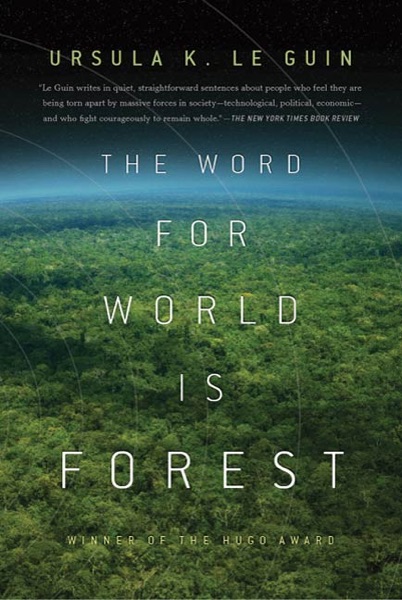
The Word for World Is Forest
Princess Mononoke's colonial extractivism—the ironworks devouring the forest—is exactly what Le Guin examines in this novella about human loggers destroying an alien world. She refuses to make her colonized people pure victims or her colonizers simple monsters; everyone is changed by violence, and no one escapes complicity. The book is short and brutal, more interested in the moral aftermath of exploitation than in adventure. It shares the film's rage and its sorrow in equal measure.

Deerskin
Princess Mononoke treats the natural world as a character with agency and wrath, and McKinley does the same in this dark retelling of a fairy tale. Her protagonist flees trauma into wilderness, where animals are not symbols but presences with their own dignity and power. The book is slower and more internal than the film, but it shares Miyazaki's refusal to soften violence or pretend that healing is quick. Nature offers refuge, not rescue, and survival requires facing what has been broken.
Is Princess Mononoke based on a book?
Princess Mononoke isn’t based on a book — it’s an original screenplay by Hayao Miyazaki.
What should I read if I loved Princess Mononoke?
Start with The Scar, The Windup Girl and The Goblin Emperor. 6 books on this page were picked for the feeling of Princess Mononoke, not its genre, with a reason for each.
Which book is most like Princess Mononoke?
The Scar by China Miéville. Princess Mononoke's moral ambiguity runs through every page of this baroque fantasy about a floating pirate city and competing visions of survival.
These are for everyone who loved Princess Mononoke. Want books picked for you?
Someone who loved Princess Mononoke and American History X reads different books from someone who loved Princess Mononoke and Braveheart. One movie isn’t much to go on. Rate four more — Princess Mononoke already counts — and the books are picked for you.
Rate four more moviesOr read one book with friends — three of you rate movies, one book you’ll all like.