6 books like Scarface
- Scarface by Armitage Trail — Scarface the novel introduces Tony Camonte, the Chicago gangster whose ruthless climb and incestuous…
- American Tabloid by James Ellroy — Scarface spends its runtime watching ambition corrode loyalty and principle.
- The Power of the Dog by Don Winslow — Scarface builds to the moment when Tony realizes his empire has become his prison.
- The Godfather by Mario Puzo — Scarface shows what happens when a gangster has no code beyond appetite.
- Underworld by Don DeLillo — Scarface watches American capitalism through the drug trade, where ambition is pure and consequences…
- Savages by Don Winslow — Scarface ends with Tony Montana defending his mansion against everyone, trust obliterated by cocaine…
Picked for the feeling of Scarface, not its genre. Each one is explained below. One movie isn’t much to go on: rate four more and the books are picked for you.
Why these books
Scarface watches a man destroy himself through escalating ambition and volcanic pride. The film builds its tragedy through accumulation: each excess leads to the next, each betrayal tightens the noose, until paranoia and isolation become the only things left. These books trace the same arc of self-annihilation, following characters who mistake power for invincibility and learn too late that every empire collapses from within.

Scarface
Scarface the novel introduces Tony Camonte, the Chicago gangster whose ruthless climb and incestuous obsession Brian De Palma transplanted to 1980s Miami. Trail writes the rise and fall as Greek tragedy dressed in machine-gun fire, tracking how unchecked ambition curdles into paranoia. The prose is leaner than the film, but the moral architecture is identical: a man who conquers everything and understands nothing, burning through alliances until only violence remains.

American Tabloid
Scarface spends its runtime watching ambition corrode loyalty and principle. Ellroy plants three men inside the machinery of American power during the Kennedy years and watches them betray everyone, including themselves, for proximity to control. The prose hammers forward in staccato bursts, all adrenaline and moral compromise. Each character believes he is using the system; each discovers too late that the system has already consumed him, leaving only wreckage and rage.

The Power of the Dog
Scarface builds to the moment when Tony realizes his empire has become his prison. Winslow tracks thirty years of the drug war through men who believe they can control the chaos they unleash. The narrative sprawls across continents and decades, but its engine is the same as De Palma's film: the delusion that violence can be contained, that power structures obey their architects. Every victory plants the seeds of collapse.
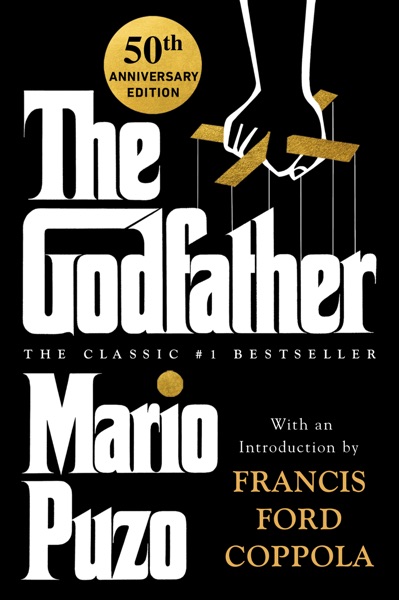
The Godfather
Scarface shows what happens when a gangster has no code beyond appetite. Puzo offers the counterpoint: a crime family held together by ritual, strategy, and the fiction of honor. Michael Corleone ascends through calculation where Tony Montana charges through impulse, but both men end isolated by the weight of what they have done. Puzo writes empire-building as a chess game; the endgame is still loneliness and blood.

Underworld
Scarface watches American capitalism through the drug trade, where ambition is pure and consequences are immediate. DeLillo tracks fifty years of Cold War America through waste, paranoia, and the detritus of empire. The novel moves through fragments and overlapping timelines, but its subject is the same: systems that promise control and deliver only escalation. Characters chase power and find themselves dwarfed by the machinery they serve, caught in cycles they cannot escape.

Savages
Scarface ends with Tony Montana defending his mansion against everyone, trust obliterated by cocaine and paranoia. Winslow drops two California pot growers and the woman they both love into a war with a Mexican cartel. The prose snaps in short, brutal chapters, all dark humor and escalating violence. The book shares the film's understanding that the drug trade is a machine that grinds everyone inside it, no matter how clever or careful they think they are.
Is Scarface based on a book?
Scarface is based on Armitage Trail’s novel Scarface (originally published in 1930).
What should I read if I loved Scarface?
Start with Scarface, American Tabloid and The Power of the Dog. 6 books on this page were picked for the feeling of Scarface, not its genre, with a reason for each.
Which book is most like Scarface?
Scarface by Armitage Trail. Scarface the novel introduces Tony Camonte, the Chicago gangster whose ruthless climb and incestuous obsession Brian De Palma transplanted to 1980s Miami.
These are for everyone who loved Scarface. Want books picked for you?
Someone who loved Scarface and Mulan reads different books from someone who loved Scarface and Ratatouille. One movie isn’t much to go on. Rate four more — Scarface already counts — and the books are picked for you.
Rate four more moviesOr read one book with friends — three of you rate movies, one book you’ll all like.