6 books like About Time
- The Invisible Life of Addie LaRue by V.E. Schwab — About Time finds wonder in repeating the same day until you notice what matters, and Addie LaRue doe…
- Life After Life by Kate Atkinson — About Time uses time loops to show how tiny choices ripple outward, and Life After Life structures a…
- This Is How You Lose the Time War by Amal El-Mohtar and Max Gladstone — About Time builds romance through repeated encounters that deepen with each pass, and This Is How Yo…
- The Humans by Matt Haig — About Time uses a fantastical premise to reframe ordinary human experience as precious, and The Huma…
- The History of Love by Nicole Krauss — About Time treats love as something that persists across time and absence, and The History of Love b…
- A Tale for the Time Being by Ruth Ozeki — About Time collapses the distance between past and present until they feel simultaneous, and A Tale …
Picked for the feeling of About Time, not its genre. Each one is explained below. One movie isn’t much to go on: rate four more and the books are picked for you.
Why these books
About Time uses time travel as a device to examine how we cherish ordinary moments—family dinners, rainy afternoons, the texture of a single conversation. The film makes repetition feel revelatory rather than tedious, building emotional weight through small variations on the same scenes. Its moral center is gratitude, not regret. These books share that quiet accumulation of meaning, that sense that the profound lives inside the mundane, and that paying attention is a form of love.
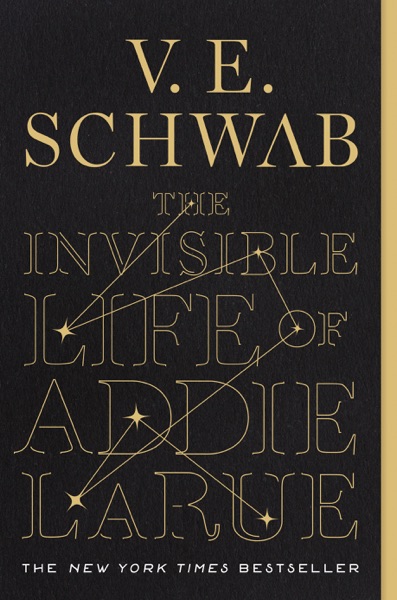
The Invisible Life of Addie LaRue
About Time finds wonder in repeating the same day until you notice what matters, and Addie LaRue does the same across three centuries of forgotten moments. A woman cursed to be remembered by no one learns to leave invisible marks on the world through small gestures and fleeting connections. The novel treats time as both prison and gift, building toward the understanding that even transient love shapes us. It shares the film's conviction that how we inhabit moments matters more than how long they last.

Life After Life
About Time uses time loops to show how tiny choices ripple outward, and Life After Life structures an entire novel around that premise. Ursula Todd dies and is reborn into the same life again and again, each iteration slightly different based on split-second decisions or accidents of timing. Atkinson makes repetition feel cumulative rather than exhausting, each loop adding texture and understanding. The book shares the film's interest in alternate paths and the fragile contingency of happiness, all grounded in domestic British life across decades.

This Is How You Lose the Time War
About Time builds romance through repeated encounters that deepen with each pass, and This Is How You Lose the Time War makes that structure literal. Two agents on opposite sides of a war across timelines fall in love through letters left in impossible places—a bee's wing, a lava stream, the rings of a tree. The novella treats time as malleable and intimate, a space where connection transcends logic. It shares the film's belief that love is about noticing details and choosing to return.
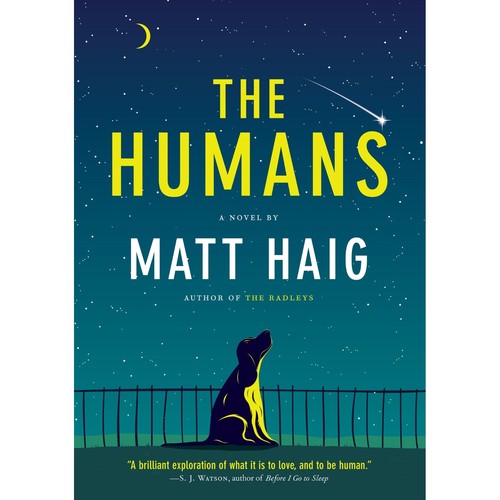
The Humans
About Time uses a fantastical premise to reframe ordinary human experience as precious, and The Humans does exactly that through an alien's eyes. An extraterrestrial assumes the life of a Cambridge mathematician and slowly learns to value the messy, irrational aspects of being human—peanut butter, dogs, Emily Dickinson, imperfect love. Haig writes with the same bemused tenderness Curtis directs, finding comedy and heartbreak in mundane rituals. Both works argue that paying attention to the unremarkable is how we find meaning.

The History of Love
About Time treats love as something that persists across time and absence, and The History of Love builds its entire structure on that persistence. An elderly man rewrites the book he wrote decades ago for a woman lost in the Holocaust, while a teenage girl searches for the same book to understand her late father. Krauss weaves past and present until they illuminate each other, showing how love survives as story and gesture. The novel shares the film's conviction that we honor the dead by how fully we live.

A Tale for the Time Being
About Time collapses the distance between past and present until they feel simultaneous, and A Tale for the Time Being makes that collapse its form. A writer in Canada finds the diary of a Japanese schoolgirl washed ashore after the 2011 tsunami, and the two lives begin to converge across time and ocean. Ozeki treats moments as elastic and interconnected, asking what it means to bear witness to another person's life. The novel shares the film's interest in how small acts of attention create connection across impossible distances.
Is About Time based on a book?
About Time isn’t based on a book — it’s an original screenplay by Richard Curtis.
What should I read if I loved About Time?
Start with The Invisible Life of Addie LaRue, Life After Life and This Is How You Lose the Time War. 6 books on this page were picked for the feeling of About Time, not its genre, with a reason for each.
Which book is most like About Time?
The Invisible Life of Addie LaRue by V.E. Schwab. About Time finds wonder in repeating the same day until you notice what matters, and Addie LaRue does the same across three centuries of forgotten moments.
These are for everyone who loved About Time. Want books picked for you?
Someone who loved About Time and The Big Lebowski reads different books from someone who loved About Time and Fantastic Mr. Fox. One movie isn’t much to go on. Rate four more — About Time already counts — and the books are picked for you.
Rate four more moviesOr read one book with friends — three of you rate movies, one book you’ll all like.