6 books like The Theory of Everything
- Travelling to Infinity: My Life with Stephen by Jane Hawking — The Theory of Everything condenses this memoir into bright moments of triumph and anguish, but the b…
- The Diving Bell and the Butterfly by Jean-Dominique Bauby — The Theory of Everything shows a brilliant mind trapped in a failing body, and this memoir does the …
- When Breath Becomes Air by Paul Kalanithi — The Theory of Everything charts how terminal illness reshapes ambition and intimacy, and Kalanithi's…
- The Year of Magical Thinking by Joan Didion — The Theory of Everything tracks how love endures through loss, and Didion's memoir examines the same…
- Still Alice by Lisa Genova — The Theory of Everything shows a mind ascending while the body fails, and this novel reverses the eq…
- The Immortal Life of Henrietta Lacks by Rebecca Skloot — The Theory of Everything braids scientific discovery with personal cost, and Skloot's nonfiction doe…
Picked for the feeling of The Theory of Everything, not its genre. Each one is explained below. One movie isn’t much to go on: rate four more and the books are picked for you.
Why these books
The film follows a marriage through two decades of intellectual achievement and physical decline, never letting you forget that love and ambition can pull in opposite directions. It holds you close to the friction between devotion and selfhood, between the wonder of discovery and the grind of caregiving. These books offer the same patient attention to relationships tested by time, illness, or impossible choices, told with restraint that makes the emotional stakes land harder.

Travelling to Infinity: My Life with Stephen
The Theory of Everything condenses this memoir into bright moments of triumph and anguish, but the book stretches time out so you feel the years accumulate. Hawking writes about the early romance, the slow encroachment of ALS, the isolating demands of caring for a man whose mind moved faster than anyone could follow. She is clear-eyed about her own loneliness, her need for a life beyond his genius, and the guilt that accompanied every choice. The marriage becomes a study in endurance, told without self-pity or score-settling.

The Diving Bell and the Butterfly
The Theory of Everything shows a brilliant mind trapped in a failing body, and this memoir does the same with even more extreme constraints. Bauby, paralyzed by a stroke and able to communicate only by blinking one eye, dictates his memories and observations with startling wit and clarity. The prose is elegant, unsentimental, alive to beauty even as his world shrinks. It is a book about what consciousness can do when everything else is taken away, and it never asks for pity.

When Breath Becomes Air
The Theory of Everything charts how terminal illness reshapes ambition and intimacy, and Kalanithi's memoir does the same from inside the crisis. A neurosurgeon diagnosed with stage IV lung cancer at thirty-six, he writes about confronting mortality while still building a career and becoming a father. The book is precise about medical realities and philosophical about what makes a life meaningful when time collapses. It never flinches from the pain or the questions that have no answers.
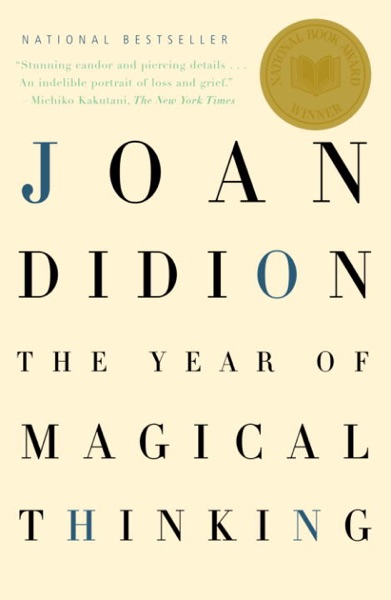
The Year of Magical Thinking
The Theory of Everything tracks how love endures through loss, and Didion's memoir examines the same terrain after her husband's sudden death. She writes about grief as a form of temporary insanity, the magical belief that she can undo what has happened if she thinks hard enough. The prose is cool and analytical even as she describes coming apart, and the book becomes a study in how the mind protects itself from unbearable knowledge. It is unsentimental and devastating.

Still Alice
The Theory of Everything shows a mind ascending while the body fails, and this novel reverses the equation: a Harvard psychologist losing herself to early-onset Alzheimer's. Genova keeps you inside Alice's consciousness as it fragments, as words slip away and familiar streets become mazes. The story is intimate and specific about what it means to lose the self while still being present, and it refuses to soften the terror or offer false comfort. The husband's helplessness echoes Jane's in the film.

The Immortal Life of Henrietta Lacks
The Theory of Everything braids scientific discovery with personal cost, and Skloot's nonfiction does the same by tracing how one woman's cancer cells revolutionized medicine while her family remained poor and uninformed. The book moves between laboratory breakthroughs and the Lacks family's struggle to understand what happened, never losing sight of the human being behind the science. It is meticulous, compassionate, and clear about the ethics of using someone's body without consent. The research feels urgent, not abstract.
Is The Theory of Everything based on a book?
The Theory of Everything is based on Jane Hawking’s memoir Travelling to Infinity: My Life with Stephen (published in the UK as Music to Move the Stars in 1999, revised 2007).
What should I read if I loved The Theory of Everything?
Start with Travelling to Infinity: My Life with Stephen, The Diving Bell and the Butterfly and When Breath Becomes Air. 6 books on this page were picked for the feeling of The Theory of Everything, not its genre, with a reason for each.
Which book is most like The Theory of Everything?
Travelling to Infinity: My Life with Stephen by Jane Hawking. The Theory of Everything condenses this memoir into bright moments of triumph and anguish, but the book stretches time out so you feel the years accumulate.
These are for everyone who loved The Theory of Everything. Want books picked for you?
Someone who loved The Theory of Everything and Knives Out reads different books from someone who loved The Theory of Everything and Mulan. One movie isn’t much to go on. Rate four more — The Theory of Everything already counts — and the books are picked for you.
Rate four more moviesOr read one book with friends — three of you rate movies, one book you’ll all like.