6 books like Coco
- The House of the Spirits by Isabel Allende — Coco treats family memory as sacred, and Allende does the same across four generations of the Trueba…
- The Book of Unknown Americans by Cristina Henríquez — Coco honors the specific textures of Mexican family life, and Henríquez does the same for Latino imm…
- Like Water for Chocolate by Laura Esquivel — Coco uses music as the vessel for memory, and Esquivel uses food the same way, each recipe carrying …
- Sing, Unburied, Sing by Jesmyn Ward — Coco builds a world where the dead walk alongside the living, and Ward does the same in rural Missis…
- The Brief Wondrous Life of Oscar Wao by Junot Díaz — Coco explores how family curses and blessings pass through generations, and Díaz structures his nove…
- Lincoln in the Bardo by George Saunders — Coco imagines the afterlife as a place where the dead wait for the living to remember them, and Saun…
Picked for the feeling of Coco, not its genre. Each one is explained below. One movie isn’t much to go on: rate four more and the books are picked for you.
Why these books
Coco builds a bridge between the living and the dead that feels intimate rather than spectacular. It treats grief as something generative, a force that preserves rather than destroys. The film moves at a patient pace, letting family conflict and emotional reckoning drive the plot instead of external threats. Its moral center is forgiveness across generations, the idea that memory is an act of love. These books share that reverence for ancestry, that belief that the past and present can hold a conversation.

The House of the Spirits
Coco treats family memory as sacred, and Allende does the same across four generations of the Trueba family. The dead return not as ghosts but as presences woven into the living's daily choices and regrets. The novel moves between political upheaval and intimate domestic scenes with the same patient pacing the film uses to balance spectacle and emotion. It asks what we owe the dead and what they still owe us, building toward a reckoning that redeems rather than condemns.

The Book of Unknown Americans
Coco honors the specific textures of Mexican family life, and Henríquez does the same for Latino immigrant families in Delaware. The novel is structured as a chorus of voices, each preserving their own story while contributing to a collective memory. It treats displacement and belonging with the same emotional precision the film brings to the question of who gets remembered. The tone is tender without being sentimental, grounded in the small gestures that hold families together across distance and loss.
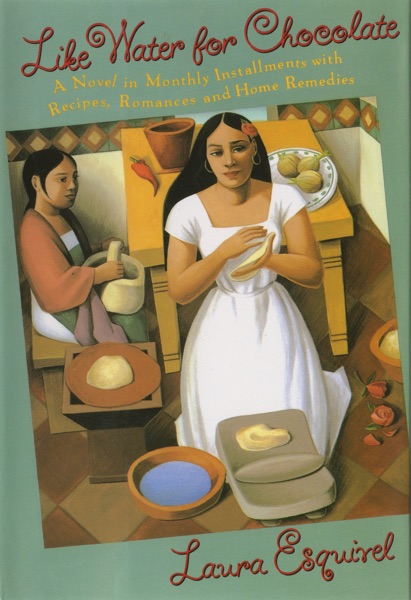
Like Water for Chocolate
Coco uses music as the vessel for memory, and Esquivel uses food the same way, each recipe carrying the emotional history of the De la Garza family. The novel blends the magical and the domestic without making either feel diminished, the same balance the film strikes in its depiction of the Land of the Dead. Multigenerational conflict drives the plot, particularly the tension between tradition and individual desire. It believes that love survives death, but only if the living choose to honor it.

Sing, Unburied, Sing
Coco builds a world where the dead walk alongside the living, and Ward does the same in rural Mississippi, where ghosts return to settle unfinished business. The novel treats ancestry as both burden and gift, something that shapes identity whether you accept it or refuse it. It moves at a deliberate pace, letting grief and trauma accumulate rather than resolve quickly. The prose is lyrical but grounded, finding beauty in hardship without romanticizing it, the same register the film uses in its quietest moments.

The Brief Wondrous Life of Oscar Wao
Coco explores how family curses and blessings pass through generations, and Díaz structures his novel around the same inheritance, tracing the fukú that haunts the De León family. The narrative voice shifts between registers—playful, tragic, furious—but always returns to the question of what the past demands from the present. It treats cultural memory as something living, constantly reinterpreted by those who carry it. The novel believes that storytelling itself is an act of resurrection, a way to keep the dead from disappearing.

Lincoln in the Bardo
Coco imagines the afterlife as a place where the dead wait for the living to remember them, and Saunders builds his novel around the same premise, setting it in a graveyard where spirits linger in denial. The structure is unconventional, a chorus of voices that together create a portrait of grief and letting go. It treats death not as an ending but as a transition that requires acceptance from both sides. The tone is compassionate and strange, finding humor and heartbreak in the same moment, much like the film's approach to its subject.
Is Coco based on a book?
Coco isn’t based on a book — it’s an original screenplay by Lee Unkrich, Jason Katz, Matthew Aldrich, and Adrian Molina.
What should I read if I loved Coco?
Start with The House of the Spirits, The Book of Unknown Americans and Like Water for Chocolate. 6 books on this page were picked for the feeling of Coco, not its genre, with a reason for each.
Which book is most like Coco?
The House of the Spirits by Isabel Allende. Coco treats family memory as sacred, and Allende does the same across four generations of the Trueba family.
These are for everyone who loved Coco. Want books picked for you?
Someone who loved Coco and Trainspotting reads different books from someone who loved Coco and Interstellar. One movie isn’t much to go on. Rate four more — Coco already counts — and the books are picked for you.
Rate four more moviesOr read one book with friends — three of you rate movies, one book you’ll all like.