Read the novel after the movie
You already know the story, so the novel can give you what a movie has no room for: what the characters are thinking, the scenes that were cut, and the ending as it was written. If you loved the movie, read this next.
6 more books for people who loved Howl's Moving Castle
Miyazaki's film takes a cozy domestic fantasy and turns it sideways, letting character trump plot at every turn. The story meanders through war and magic with the unhurried confidence of a fairy tale that knows where it's going even when you don't. It finds wonder in small transformations and refuses to punish anyone for being complicated. These books share that willingness to let enchantment be strange and domestic at once, where the emotional logic matters more than the mechanical kind.

Howl's Moving Castle
Jones's novel gives Miyazaki his skeleton but the meat is different: sharper, funnier, more interested in Sophie's slow discovery that she has always been braver than she thought. The castle is more chaotic, Howl more vain and ridiculous, the magic more rule-bound and peculiar. Where the film drifts through war and wonder, the book zips through a plot full of bargains, curses, and Sophie arguing with a fire demon while doing laundry. Both versions let their heroes be messy and petty and kind all at once, but Jones keeps the stakes domestic even when kingdoms are at risk.
Read it with your book club →
The House in the Cerulean Sea
Howl's Moving Castle finds magic in the everyday rhythms of a shared household, and Klune's novel does the same with a found family on an island. A caseworker visits an orphanage for magical children and discovers that the bureaucratic world he trusted has been lying to him about what makes people dangerous. The book moves at the film's unhurried pace, letting warmth accumulate through small gestures: cooking, gardening, a phonograph playing in the evenings. It shares Miyazaki's faith that transformation comes from care, not conquest, and that the right home can remake you without demanding you be perfect first.
Read it with your book club →
Piranesi
Howl's Moving Castle asks you to trust a story that unfolds according to its own strange internal sense, and Clarke's novel does the same inside a house that is also an infinite marble labyrinth. The narrator lives alone among statues and tides, keeping meticulous records of a world that makes no sense until suddenly it does. Both works let you sit inside mystery without demanding answers, building atmosphere from repetition and ritual. The reveal, when it comes, reframes everything you thought you understood, but the emotional truth was there all along, waiting in the quiet moments between wonders.
Read it with your book club →
The Ten Thousand Doors of January
Howl's Moving Castle understands that the right door can lead anywhere, and Harrow's novel makes that literal: a girl discovers that doors between worlds are real, hidden, and closing. January grows up in a mansion full of collected wonders, but the real magic is in the book she finds, which tells her own story before she lives it. Like Miyazaki's film, this one layers fairy tale logic over deeper questions about who gets to move freely and who gets locked in place. Both trust that love is the thing that props doors open, even when powerful people want them sealed.
Read it with your book club →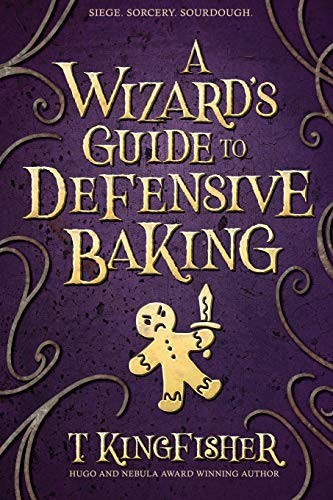
A Wizard's Guide to Defensive Baking
Howl's Moving Castle drops a war into a cozy story and refuses to let either tone overwhelm the other, and Kingfisher's novel does the same with a fourteen-year-old baker whose magic makes bread come alive. When her city is under siege, Mona has to defend it with gingerbread men and sourdough starter, which sounds absurd until the book makes you believe in it completely. Both stories understand that small domestic magic can matter as much as grand gestures, and that being conscripted into someone else's war does not mean you have to fight it on their terms.
Read it with your book club →
Sorcery of Thorns
Howl's Moving Castle pairs a practical heroine with a vain, powerful magician and lets them bicker their way into affection, and Rogerson's novel follows the same blueprint with a librarian and a sorcerer accused of treason. Elisabeth has been raised to distrust magic, but when grimoires start turning into monsters, she needs a magician's help whether she likes it or not. The book shares the film's delight in letting competence be romantic: watching someone good at their work is its own kind of enchantment. Both stories know that trust built through small actions matters more than grand declarations, and that rescuing each other should go both ways.
Read it with your book club →Want books picked for you?
One movie isn’t much to go on. Rate four more — Howl's Moving Castle already counts — and the books are picked for you.
Rate four more movies