Read the novel after the movie
You already know the story, so the novel can give you what a movie has no room for: what the characters are thinking, the scenes that were cut, and the ending as it was written. If you loved the movie, read this next.
6 more books for people who loved L.A. Confidential
L.A. Confidential drops you into a Los Angeles where every cop is compromised, every hero is corrupt, and the truth comes in pieces that don't fit together until the final violent reckoning. The film moves between three detectives whose moral codes clash and overlap, building a conspiracy that feels inevitable once revealed. It trusts you to track shifting loyalties, hidden motives, and institutional rot without handholding. The period detail is immaculate, the dialogue is clipped, and the violence lands hard because it matters to the story's moral architecture.

L.A. Confidential
Ellroy's novel gives you the same corrupt Los Angeles and the same three detectives, but with more narrative density and a harder edge. The book moves faster, packs in more subplots, and leans into the period's casual brutality without the film's smoothing. You get deeper access to each cop's compromised interior life and the systemic rot that shapes them. The prose is staccato and relentless, built for readers who want their noir without sentimentality or redemption arcs that feel too clean.
Read it with your book club →
The Big Nowhere
L.A. Confidential's corrupt institutional machinery and intersecting investigations appear here in an earlier moment of Los Angeles history. Ellroy weaves together three men investigating a serial killer during the Red Scare, each carrying secrets that could destroy them. The novel builds the same sense of conspiracy, where personal ambition and political pressure corrupt every official action. It delivers period noir with moral complexity and violence that serves the story's architecture rather than decoration.
Read it with your book club →
City of Quartz
L.A. Confidential's vision of institutional corruption and class architecture gets its historical foundation in Davis's excavation of Los Angeles power structures. This nonfiction study examines how the LAPD, real estate interests, and political machines shaped the city through violence and strategic neglect. Davis traces the same period the film depicts, showing how the postwar boom depended on suppression and exploitation. It is essential reading for anyone who wants to understand the real mechanisms behind the noir mythology.
Read it with your book club →
Devil in a Blue Dress
L.A. Confidential's layered conspiracy and compromised investigators find a parallel in Mosley's portrait of postwar Los Angeles from the Black community the film only glimpses. Easy Rawlins navigates a murder case that pulls him between white power brokers and neighborhood loyalty, every choice carrying moral weight. The novel builds the same atmosphere of institutional rot and casual brutality, with prose that trusts you to track shifting motives. The period detail is exact, the violence matters, and no one gets out clean.
Read it with your book club →
The Friends of Eddie Coyle
L.A. Confidential's cops operate in a world where loyalty is currency and betrayal is survival, the same moral economy that governs Higgins's Boston underworld. The novel follows a low-level gun runner caught between criminal associates and police pressure, everyone making compromises that will destroy them. Higgins writes in clipped dialogue that reveals character through evasion and implication. The pacing is patient, the violence is matter-of-fact, and the ending delivers the inevitability of institutional machinery grinding through individuals.
Read it with your book club →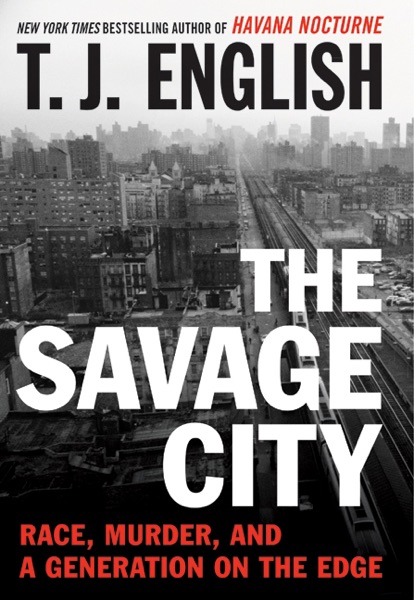
The Savage City
L.A. Confidential's institutional corruption and police brutality get their New York counterpart in English's nonfiction account of three men navigating 1960s power structures. English follows a detective, a gangster, and a Black activist through a decade when the NYPD was as compromised as any criminal organization. The book builds narratives that intersect and collide, revealing how violence serves political ends. It delivers the same sense of systemic rot and individual moral compromise, grounded in meticulous research rather than noir convention.
Read it with your book club →Want books picked for you?
One movie isn’t much to go on. Rate four more — L.A. Confidential already counts — and the books are picked for you.
Rate four more movies