The character Lucifer first appeared in this series.
Read it with your book club →Read the comic book series after the show
You already know the story, so the comic book series can give you what a show has no room for: what the characters are thinking, the scenes that were cut, and the ending as it was written. If you loved the show, read this next.
6 more books for people who loved Lucifer
Lucifer plays metaphysical crime procedural as a stage for existential negotiation: the devil solves murders in Los Angeles while working through daddy issues with the Almighty. The series softens cosmic horror into romantic comedy pacing, treating free will, redemption, and damnation as puzzles that charm and wit might crack. These books deliver the same mix of supernatural machinery and emotional stakes, where the case of the week matters less than what solving it costs the detective's soul.
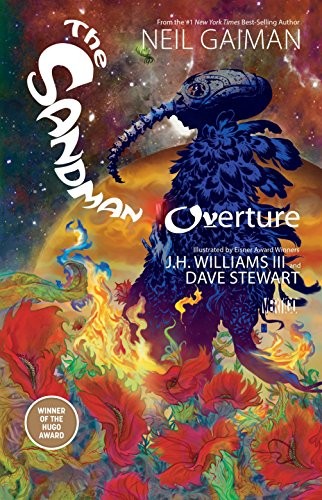
The Sandman
Lucifer adapts a character who first walked out of Hell in this comic series, where Gaiman writes cosmic entities as emotionally legible beings stuck in family dramas older than the universe. Dream, Desire, Death, and yes, Lucifer himself navigate power and responsibility across mythologies, blending noir structure with metaphysical weight. The tone shifts from horror to comedy to tragedy within a single issue, always grounding the fantastic in recognizable longing. Lucifer's television charisma comes directly from Gaiman's original portrait of a rebel who quit rather than lose.
Read it with your book club →
Storm Front
Lucifer mixes supernatural power with procedural crime structure, and Harry Dresden does the same from the other side: a wizard working as a private investigator in Chicago, solving murders that involve both mortal cruelty and magical chaos. Butcher writes Dresden as wisecracking and self-aware, using humor to manage the darkness he navigates every case. The magic system has rules, the stakes escalate personally, and the procedural frame keeps the pacing tight. Both protagonist and devil use charm as armor and detection as a path toward their own salvation.
Read it with your book club →
Rivers of London
Lucifer treats celestial bureaucracy and police procedure as equally absurd systems to exploit, and Peter Grant does the same when he joins the London Metropolitan Police's supernatural crimes unit. Aaronovitch writes magic as something to be investigated with forensic rigor, blending deadpan British humor with genuine horror when the bodies pile up. The partnership dynamics mirror the show's core: a rookie learning the rules from beings far more ancient and dangerous than he understands. Both wrap existential questions in the pacing of a detective novel.
Read it with your book club →
Good Omens
Lucifer plays the devil as charming, vain, and fundamentally questioning the cosmic plan he's supposed to execute, which is exactly what Crowley does in this comic apocalypse. Gaiman and Pratchett write angels and demons as immortal bureaucrats tired of the job, capable of friendship and doubt despite what their HR department expects. The humor comes from taking theology seriously while refusing to take it solemnly, treating free will as something worth the paperwork. Both stories ask whether rebellion is more heroic than obedience when the boss might be wrong.
Read it with your book club →
The Utterly Uninteresting and Unadventurous Tales of Fred, the Vampire Accountant
Lucifer makes the supernatural domestic, and Fred does the same from the opposite angle: a newly turned vampire who wants nothing more than to file taxes and avoid drama but keeps stumbling into murder investigations. Hayes writes the paranormal world as a community with mundane concerns, where even immortal beings need someone to balance the books. The humor is gentle and character-driven, the mysteries are real, and the protagonist's decency becomes his greatest weapon. Both treat the extraordinary as a day job that still requires showing up and doing the work.
Read it with your book club →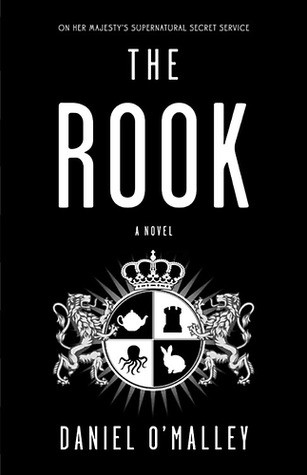
The Rook
Lucifer solves crimes while managing supernatural politics and personal identity crises, which is exactly Myfanwy Thomas's job when she wakes with amnesia in a body that commands otherworldly powers for a secret British agency. O'Malley writes bureaucracy as both comedy and genuine threat, where the real danger comes from institutional inertia as much as magical assassins. The mystery structure drives the plot forward while the protagonist reconstructs who she was and decides who she wants to become. Both protagonists use investigation to negotiate their place in systems designed to control them.
Read it with your book club →Want books picked for you?
One show isn’t much to go on. Rate four more — Lucifer already counts — and the books are picked for you.
Rate four more movies