Read the novel after the movie
You already know the story, so the novel can give you what a movie has no room for: what the characters are thinking, the scenes that were cut, and the ending as it was written. If you loved the movie, read this next.
6 more books for people who loved One Flew Over the Cuckoo's Nest
The film traps you inside an institution where power masquerades as care and rebellion looks like madness. It builds toward a crescendo of defiance that feels both triumphant and tragic, never letting you forget the cost of challenging a system designed to break spirits. The pacing is patient, the tone shifts between dark humor and crushing despair, and the moral questions refuse easy answers. These books operate in the same register: they examine what happens when individual will collides with institutional control, and they make you feel the claustrophobia of places that promise healing but deliver something else entirely.
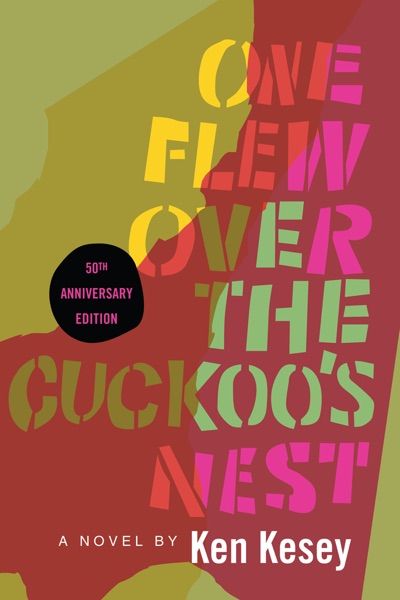
One Flew Over the Cuckoo's Nest
The novel that inspired the film narrates the same battle between McMurphy and Nurse Ratched through Chief Bromden's fractured perspective, deepening the psychological complexity of the ward. Kesey's prose creates a hallucinatory quality that the film translates into visual tension, and the book spends more time inside the mechanisms of institutional control. The ending carries the same devastating weight, but the internal monologue adds layers of paranoia and perception that the screen can only suggest. It is narrated by someone the system has already broken, which changes how you understand everything that follows.
Read it with your book club →
The Bell Jar
This novel shares the film's claustrophobic examination of psychiatric institutions in mid-century America, where treatment often feels like punishment and the staff wield authority without genuine understanding. Plath's protagonist navigates electroshock therapy and the suffocating expectations of those claiming to help her, much as McMurphy confronts lobotomy and medication as tools of control. The prose captures the same sense of being trapped inside systems that pathologize nonconformity. Both works expose the violence hidden beneath clinical language and the impossible choice between submission and destruction. The tone shifts between dark humor and raw despair without offering false hope.
Read it with your book club →
Catch-22
Heller's novel mirrors the film's absurdist take on institutional madness, where the people in charge create rules that make sanity impossible and conformity mandatory. The military bureaucracy operates like Nurse Ratched's ward: it punishes resistance, rewards obedience, and calls this order treatment or duty. Both works use dark comedy to expose the circular logic of systems that claim to serve but actually control. The pacing is cyclical rather than linear, returning again and again to moments of powerlessness. Yossarian's attempts to escape mirror McMurphy's defiance, and both protagonists discover that the institution will destroy you before it lets you win.
Read it with your book club →
We Have Always Lived in the Castle
Jackson's novella shares the film's interest in characters labeled dangerous by a community that fears what it cannot control, and in the violence that erupts when isolation is broken. Merricat Blackwood lives in a self-imposed retreat from a hostile village, much as the ward isolates its patients from society while pretending to prepare them for reentry. The prose creates a sense of enclosure that tightens with each page, and the arrival of an outsider triggers the same escalating confrontation the film builds toward. Both works ask whether madness is intrinsic or imposed, and neither offers a comforting answer. The ending delivers devastation disguised as survival.
Read it with your book club →
The Loony-Bin Trip
Millett's memoir examines the same collision between psychiatric authority and personal autonomy that drives the film, focusing on involuntary commitment and the power dynamics of diagnosis. She recounts her own experiences with lithium, hospitalization, and the struggle to reclaim agency from doctors who believe they know her mind better than she does. The prose alternates between rage and analysis, never softening the institutional cruelty it documents. Like McMurphy, Millett challenges the assumption that conformity equals health and resistance equals pathology. The narrative refuses to be redemptive; it insists instead on bearing witness to what happens when medicine becomes coercion.
Read it with your book club →
The Broom of the System
Wallace's debut novel shares the film's fascination with institutions that shape identity and the slippery boundary between care and control, centering on a nursing home and a psychiatric hospital where residents vanish. The narrative operates in the same register of absurdist bureaucracy, where language is weaponized and reality becomes negotiable under administrative rules. Both works question whether selfhood can survive systems designed to erase it, and both use dark humor to expose the violence of benevolent authority. The pacing is relentless, the tone swings between comedy and horror, and the characters discover that escape is more complicated than simply walking out the door.
Read it with your book club →Want books picked for you?
One movie isn’t much to go on. Rate four more — One Flew Over the Cuckoo's Nest already counts — and the books are picked for you.
Rate four more moviesAll 6 books like One Flew Over the Cuckoo's Nest, with the picker →