What did you love about The Good Doctor?
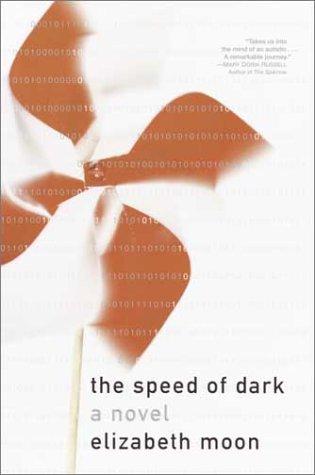
The Speed of Dark
The Speed of Dark gives you a protagonist whose different wiring lets him solve what others can't.

The House of God
The House of God shows you doctors ground down by a system that works against healing.
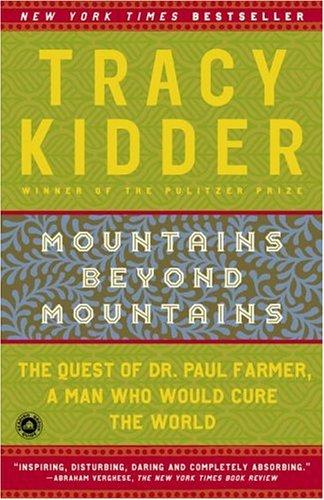
Mountains Beyond Mountains
Mountains Beyond Mountains follows a doctor who refuses to let impossible odds stop him from treating patients.
6 books like The Good Doctor
- The Curious Incident of the Dog in the Night-Time by Mark Haddon — The Good Doctor builds its engine on a protagonist who sees patterns others miss and struggles to tr…
- The House of God by Samuel Shem — The Good Doctor shows you a hospital as a system that grinds against the people trying to heal withi…
- When Breath Becomes Air by Paul Kalanithi — The Good Doctor asks what it means to face mortality as both a physician and a human being.
- The Speed of Dark by Elizabeth Moon — The Good Doctor centers a character whose neurology is his difference and his advantage in equal mea…
- Mountains Beyond Mountains by Tracy Kidder — The Good Doctor is built on a doctor who believes healing is possible even when the system says othe…
- Flowers for Algernon by Daniel Keyes — The Good Doctor asks what happens when the way your mind works is treated as a problem to be solved …
Picked for the feeling of The Good Doctor, not its genre. Each one is explained below. One show isn’t much to go on: rate four more and the books are picked for you.
Why these books
The Good Doctor asks you to watch someone brilliant solve problems no one else can see while the institution around him refuses to trust his methods. It runs on diagnostic puzzles that snap together in the final act, on a protagonist whose difference is both his greatest liability and his sharpest tool. The show layers procedural satisfaction over a deeper question about who gets to be believed. These books give you characters whose minds work in ways the world wasn't built for, mysteries that require uncommon sight, and the friction that comes when competence meets skepticism.
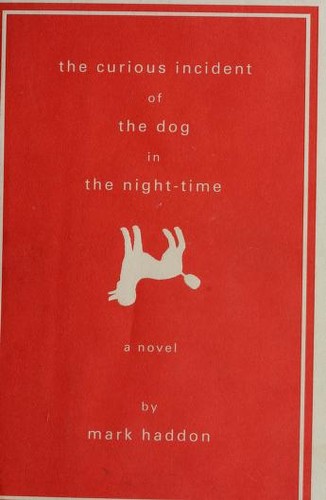
The Curious Incident of the Dog in the Night-Time
The Good Doctor builds its engine on a protagonist who sees patterns others miss and struggles to translate his insight into language the institution will accept. Christopher Boone narrates his investigation into a neighborhood dog's death with absolute logic and a mind that processes sensory information in ways that alienate and illuminate. The mystery structure gives shape to his difference. The book never softens his edges to make him comfortable for neurotypical readers, and the detective work becomes a framework for understanding how he moves through a world designed without him in mind.
Read it with your book club →
The House of God
The Good Doctor shows you a hospital as a system that grinds against the people trying to heal within it. Shem's novel follows interns through a brutal year at a teaching hospital where the real lessons have nothing to do with the textbooks and everything to do with survival. The medicine is visceral and urgent. The institution protects itself first. The humor is dark because the alternative is despair. The book makes you feel the weight of being responsible for lives when you are still learning how to carry your own, and it never pretends the system rewards the people who care most.
Read it with your book club →
When Breath Becomes Air
The Good Doctor asks what it means to face mortality as both a physician and a human being. Kalanithi writes about his transition from neurosurgeon to terminal cancer patient, and the membrane between those roles is thinner than you expect. The prose is clear and unsentimental. The book holds the tension between understanding death clinically and confronting it personally. It examines the choices doctors make about how much hope to offer and how much truth to deliver. The medicine is rigorous, the philosophy earned, and the emotional precision stays with you long after the final page.
Read it with your book club →
The Speed of Dark
The Good Doctor centers a character whose neurology is his difference and his advantage in equal measure. Moon's novel gives you Lou Arrendale, an autistic man working in pattern recognition who is offered an experimental cure. The science fiction premise is a frame for a deeper question about what we lose when we try to fix what others see as broken. The book sits inside Lou's perspective without explaining him to you. The workplace discrimination is subtle and pervasive. The ethical weight of the choice he faces has no easy answer, and the novel respects that difficulty.
Read it with your book club →
Mountains Beyond Mountains
The Good Doctor is built on a doctor who believes healing is possible even when the system says otherwise. Kidder follows Paul Farmer, an infectious disease physician who works in Haiti and refuses to accept that some lives matter less than others. The medicine is both high-tech and improvised. The book shows you what it costs to hold that kind of conviction, and it does not romanticize the toll. Farmer's work is diagnostic problem-solving on a global scale. The prose is journalistic and restrained, and the portrait of someone who will not compromise on care feels both inspiring and exhausting.
Read it with your book club →
Flowers for Algernon
The Good Doctor asks what happens when the way your mind works is treated as a problem to be solved rather than a reality to be accommodated. Keyes gives you Charlie Gordon, a man with an intellectual disability who undergoes experimental surgery to increase his intelligence. The epistolary structure tracks his transformation through his own words. The book makes you live inside the change and the isolation that comes with it. The medical community celebrates the procedure without considering what Charlie loses. The ending lands with the force of inevitability, and the ethical questions cut deeper than the science fiction frame suggests.
Read it with your book club →Is The Good Doctor based on a book?
The Good Doctor isn’t based on a book — it’s adapted from a South Korean series of the same name.
What should I read if I loved The Good Doctor?
Start with The Curious Incident of the Dog in the Night-Time, The House of God and When Breath Becomes Air. 6 books on this page were picked for the feeling of The Good Doctor, not its genre, with a reason for each.
Which book is most like The Good Doctor?
The Curious Incident of the Dog in the Night-Time by Mark Haddon. The Good Doctor builds its engine on a protagonist who sees patterns others miss and struggles to translate his insight into language the institution will accept.
These are for everyone who loved The Good Doctor. Want books picked for you?
Someone who loved The Good Doctor and Kill Bill: Vol. 2 reads different books from someone who loved The Good Doctor and Monsters, Inc.. One show isn’t much to go on. Rate four more — The Good Doctor already counts — and the books are picked for you.
Rate four more moviesOr read it with your book club and talk about it while you’re still reading.