What did you love about Fight Club?
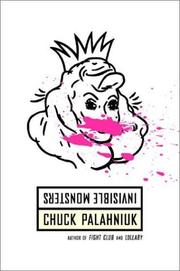
Invisible Monsters
Invisible Monsters gives you the same gleeful dismantling of consumer identity, this time through fashion instead of soap.
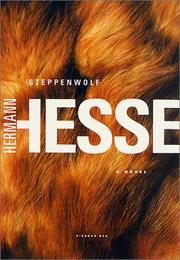
Steppenwolf
Steppenwolf is about a man just as split, just as desperate to reconcile his civilized surface with something wild underneath.
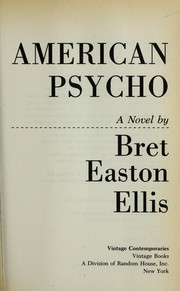
American Psycho
American Psycho has the same brittle surface of brand names and routines that could shatter into violence at any moment.
6 books like Fight Club
- Fight Club: A Novel by Chuck Palahniuk — The source novel is leaner, meaner, and funnier than the film.
- American Psycho by Bret Easton Ellis — Patrick Bateman recites brand names, restaurant reservations, and business card specs with the same …
- A Clockwork Orange by Anthony Burgess — A teenage sociopath narrates his own ultraviolence in an invented slang so seductive that you catch …
- Steppenwolf by Hermann Hesse — A middle-aged intellectual believes he has a wolf inside him — a savage, antisocial self that despis…
- The Stranger by Albert Camus — A man feels nothing at his mother's funeral, kills an Arab on a beach for no clear reason, and refus…
- Invisible Monsters by Chuck Palahniuk — A fashion model loses her jaw in a shooting, reinvents herself with a transgender con artist, and pr…
Picked for the feeling of Fight Club, not its genre. Each one is explained below. One movie isn’t much to go on: rate four more and the books are picked for you.
Why these books
Fight Club hit a nerve because it articulated something a lot of people felt but couldn't name — the emptiness of consumer identity, the hunger for something real even if that something is self-destructive. These books share that voltage: stories about people who torch their own lives to find out what's underneath, told in voices that refuse to be polite about it.
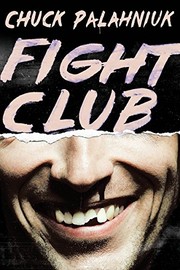
Fight Club: A Novel
The source novel is leaner, meaner, and funnier than the film. Palahniuk's prose style — clipped, recursive, built on rules and repetition — is the literary equivalent of Tyler Durden's voice. The ending is different, the relationship with Marla is even more toxic, and the unreliable narration is more disorienting because you can't see Edward Norton's face helping you track who's who.
Read it with your book club →
American Psycho
Patrick Bateman recites brand names, restaurant reservations, and business card specs with the same flat intensity whether he's describing a meal or a murder. Ellis's novel is Fight Club's dark mirror — instead of rejecting consumer culture, Bateman is consumed by it, and the satire is so extreme that the violence becomes indistinguishable from the product reviews. You'll laugh and then feel sick about laughing.
Read it with your book club →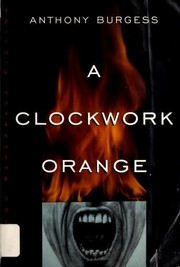
A Clockwork Orange
A teenage sociopath narrates his own ultraviolence in an invented slang so seductive that you catch yourself enjoying it — which is the point. Burgess shares Palahniuk's trick of making the reader complicit in the destruction, and the central question (is forced goodness better than chosen evil?) is the same philosophical territory Fight Club occupies when Tyler asks what you're willing to destroy.
Read it with your book club →
Steppenwolf
A middle-aged intellectual believes he has a wolf inside him — a savage, antisocial self that despises the bourgeois life he's built. Hesse wrote this in 1927 but it's the clearest literary ancestor of the narrator/Tyler split. The Magic Theater sequence in the final act is as hallucinatory and identity-dissolving as anything in the film, and the resolution is more honest about what happens after you burn it all down.
Read it with your book club →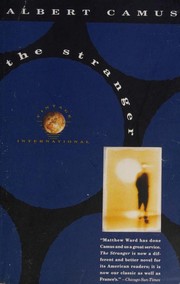
The Stranger
A man feels nothing at his mother's funeral, kills an Arab on a beach for no clear reason, and refuses to pretend he's sorry. Camus's absurdist classic is the philosophical bedrock under Fight Club — the same confrontation with meaninglessness, the same refusal to perform the emotions society expects. It's 120 pages and it'll rewire how you think about why you do anything.
Read it with your book club →
Invisible Monsters
A fashion model loses her jaw in a shooting, reinvents herself with a transgender con artist, and proceeds to destroy every version of her former identity. Palahniuk's other masterpiece shares Fight Club's obsession with self-destruction as liberation, but filtered through beauty culture instead of corporate culture. The plot twists are more outrageous and the voice is, if anything, even more addictive.
Read it with your book club →Is Fight Club based on a book?
Fight Club is based on Chuck Palahniuk’s novel Fight Club.
What should I read if I loved Fight Club?
Start with Fight Club: A Novel, American Psycho and A Clockwork Orange. 6 books on this page were picked for the feeling of Fight Club, not its genre, with a reason for each.
Which book is most like Fight Club?
Fight Club: A Novel by Chuck Palahniuk. The source novel is leaner, meaner, and funnier than the film.
These are for everyone who loved Fight Club. Want books picked for you?
Someone who loved Fight Club and Guardians of the Galaxy Vol. 3 reads different books from someone who loved Fight Club and Klaus. One movie isn’t much to go on. Rate four more — Fight Club already counts — and the books are picked for you.
Rate four more moviesOr read it with your book club and talk about it while you’re still reading.